Dealing with a pest infestation as a landlord: five things you need to do
Pests are a nightmare for tenants and landlords alike. Know your rights and responsibilities as a landlord, and when you need to step up.
Read more....
Property and home improvement information and inspiration
Pests are a nightmare for tenants and landlords alike. Know your rights and responsibilities as a landlord, and when you need to step up.
Read more....If you’re a landlord, which makes the best investment – a house or flat? To make a good return, buying either has both advantages and disadvantages.
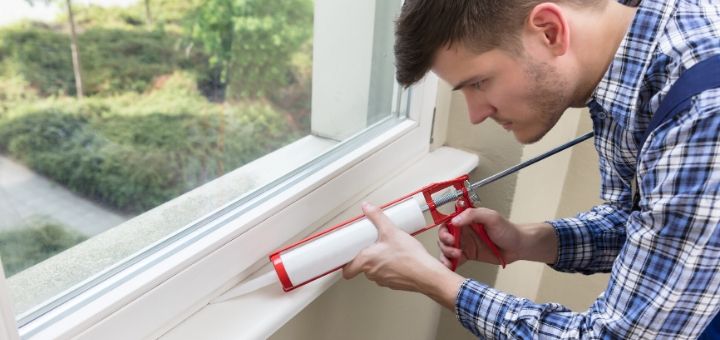
Read more....Silicone sealant should not only form a watertight seal, it should also look tidy and appealing. Here are a few tips to help you raise your game.
Read more....As a landlord, preparing your property for new tenants can be challenging on many levels – here are five tips for getting it ready.
Read more....Manchester is gaining a stellar reputation as an alternative to other high-profile major cities. Could moving there be a potential option?
Read more....Working from home can have benefits both for the employer and the employee – especially if you have a garden office as a separate workspace.
Read more....Whichever way you choose to grow your plants, it is essential to maintain your root zone if you want to optimise plant growth.
Read more....If you are about to put your house on the market, here are few things to consider to help present your home in the best light.
Read more....When it comes to designing a living room, you need to consider both style and space, for a sleek, modern aesthetic that maximises comfort.
Read more....The ease and flexibility of working out at home mean home gyms could be here to stay. Here are our top pieces of equipment to kickstart yours.
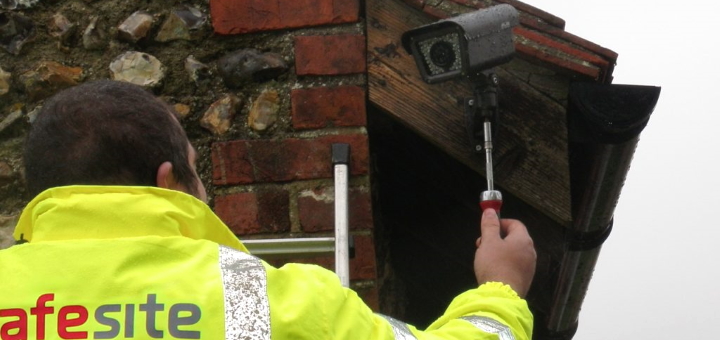
Read more....If installing CCTV at home, it’s vital to comply with data protection regulations and minimise recording outside your private property.
Read more....Whether you’re working from home or keen to recreate a tranquil oasis, here are some top tips for making a calmer and more relaxing home.
Read more....“Bulky waste” is rubbish that won’t fit in your domestic bin. Use our quickstart guide to navigate the waste landscape safely and legally.
Read more....

Blog / Construction / Hints & Tips / Home Improvement / Property
Loft extensions: taking you through the process
July 15, 2020
Catering for first-time DIYers to skilled tradesmen, Wickes is a trusted name in home improvement, with more than 230 stores across the UK.